

Green & clean
No combustion and no carbon emissions at the point of heat generation.
//The technology
Six key advantages of OGE's heat source technology
Environmental & safety
No combustion and no carbon emissions at the point of heat generation.

No ionizing radiation has been observed, and no radioactive materials are used in the process.

Deuterium is abundant. The theoretical energy potential of 250 kg of deuterium is equivalent to approximately 4.9 million tons of coal.
Operational & cost

Small footprint with minimal environmental constraints, with the potential to significantly reduce dependence on traditional energy sources and their associated costs.

Designed to enable compact, modular heat sources that can be scaled to meet different heat demands.

No fuel supply or storage infrastructure required, enabling deployment close to the point of heat use.
700+
experiments
10,000+
experimental hours
~130
experiments with observed excess power
up to COP 25
Coefficient of Performance
The results below were obtained in earlier experimental research conducted by the OGE team at Energetics Technologies.
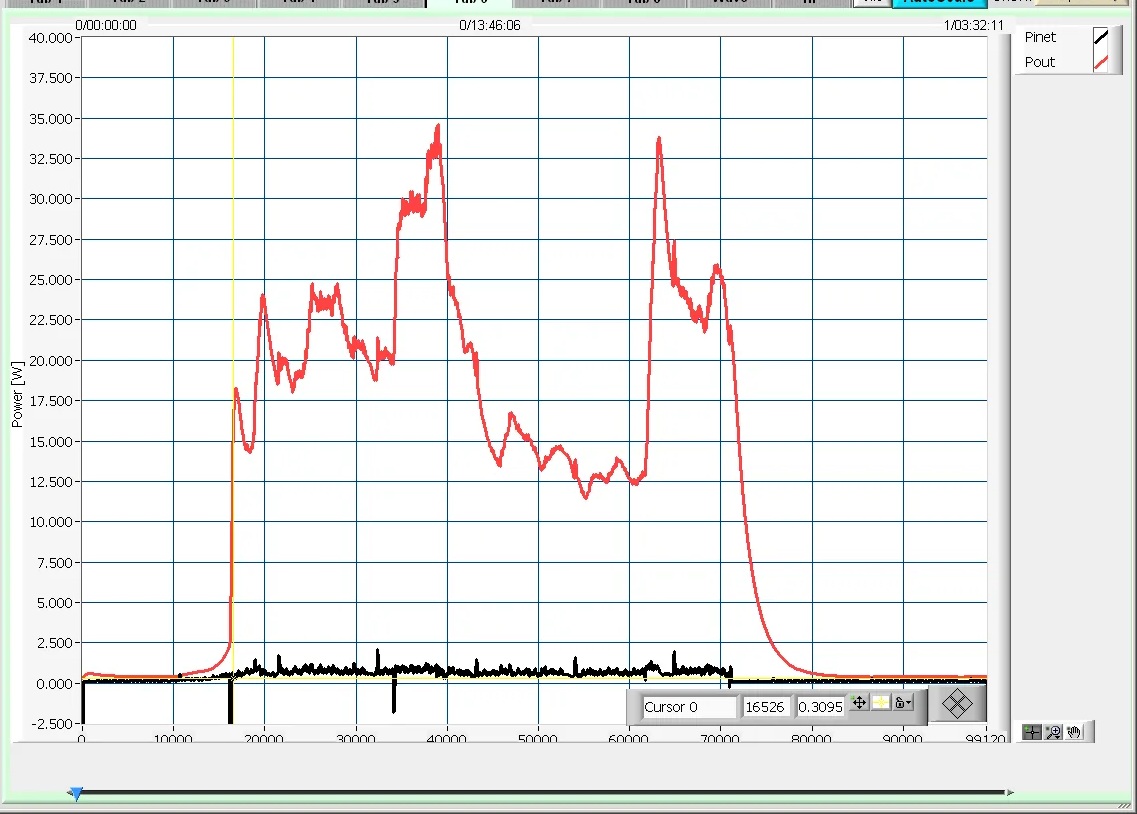
17-hour run
Excess power up to 35 W (0.71 W input)
Average excess power of ~21 W over 17 hours
COP up to 25
Excess power = measured thermal output − electrical input power. COP = excess power / electrical input power.
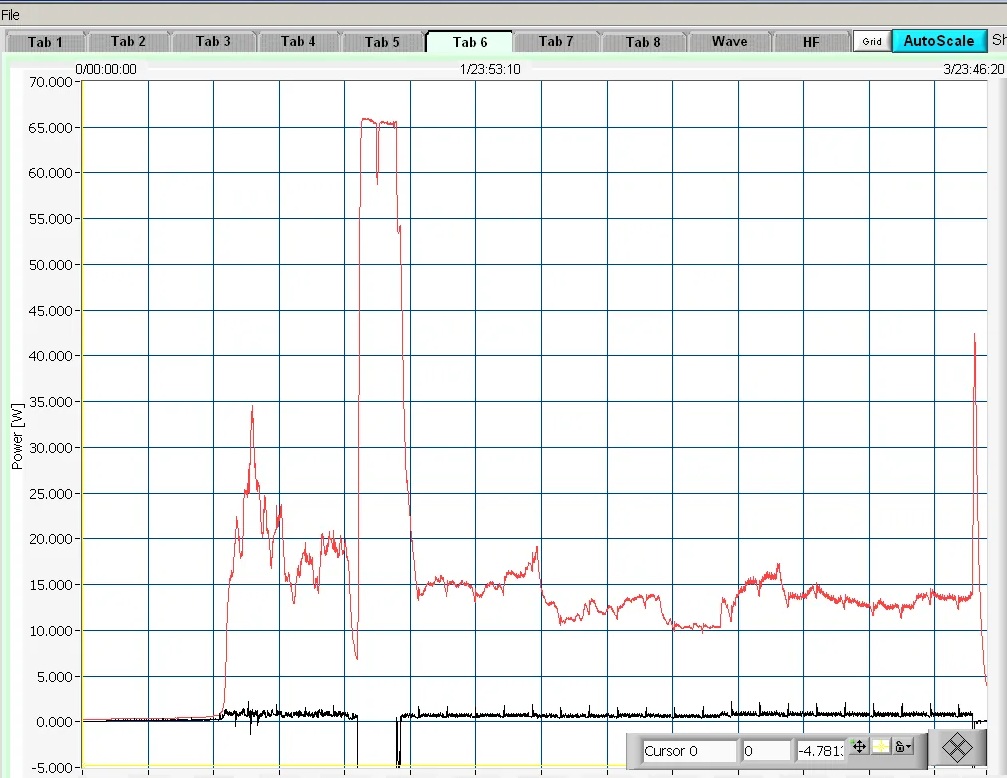
80-hour run
Excess power up to 65 W
Average excess power of ~12 W over 80 hours
COP up to 15
Micro-craters were observed on the palladium electrode surface after an experiment that started below 10 °C. Their morphology indicates localized melting of the palladium, implying local temperatures reaching at least its melting point of approximately 1,555 °C.
//How it works
An electrolysis cell drives deuterium into a palladium lattice using a highly modulated current.
Reaction pathway (hypothesized)
The underlying reaction mechanism is under scientific investigation.
Energy potential · the fuel

Coal

Crude oil
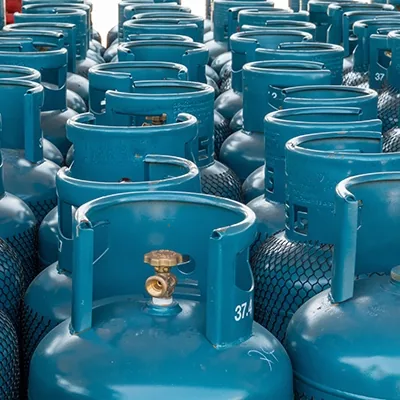
LNG
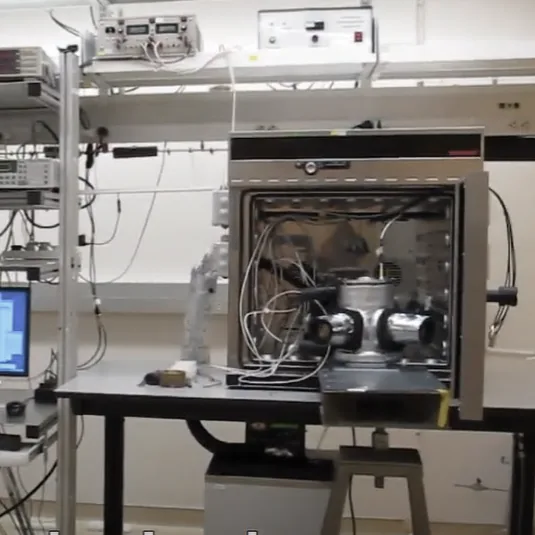
Inside an experimental cell
| Cathode | Palladium |
| Anode | Platinum |
| Initial cell temperature | Below 10 °C |
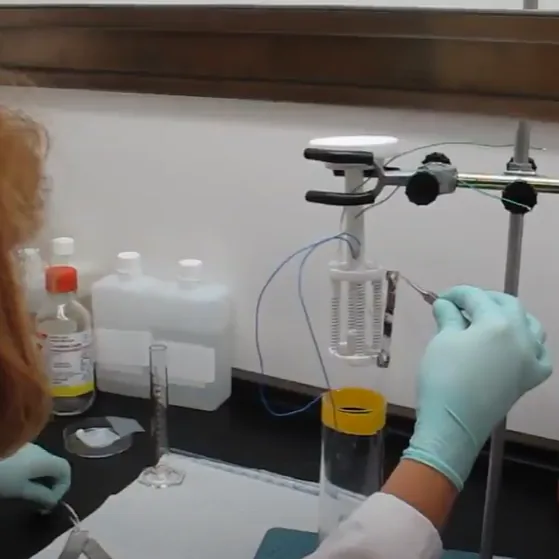
Palladium cathode
//In the field
OGE participated in ICCF-26, the International Conference on Condensed Matter Nuclear Science.
ICCF-26 · Morioka, Iwate, Japan · May 2025
//The team
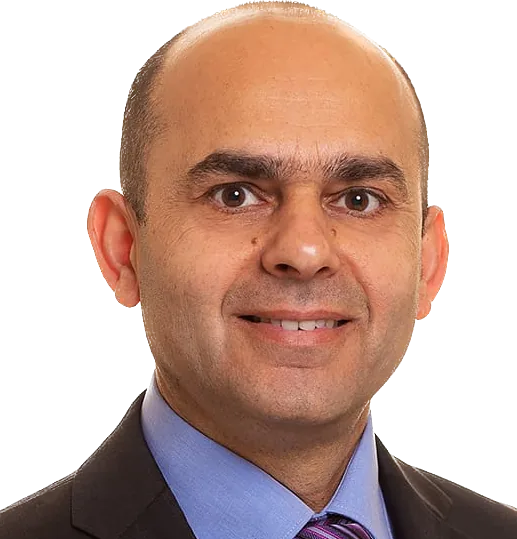
Roni Gordana
CEO
Co-founder of OGE. Leads the company and its relationships with investors and strategic partners.
MSc in Aeronautical Engineering; EMBA, Technion – Israel Institute of Technology. Former Chairman of the Mechanical and Aerospace Engineering Association at AEAI.

Hillel Kain
COO & Product Manager
Co-founder of OGE. Leads operations and the scale-up from laboratory cells toward an industrial product.
BSc in Mechanical Engineering. MSM, Boston University.
Dr. Shaul Lesin
CTO
Co-founder of OGE; leads the company's research and technology development.
PhD in Chemical Engineering. Founder and former CEO of Energetics Technologies, where he led an extensive LENR research program.

Tania Zilov
Electrochemist & Lab Manager
Leads OGE's cell chemistry, cathode preparation, and laboratory operations.
MSc and BSc in Chemistry. Former Lab Manager at Energetics Technologies, where she conducted extensive LENR experimental work.

Dr. Joseph A. Englender
Research Chemist
Conducts LENR research, including electrochemistry, experimental design, process development, and data analysis.
PhD, MSc and BSc in Chemistry. Over 15 years of experience in chemistry R&D, including electrochemical energy research and scale-up from laboratory development to prototype.
Kobi Adulami
Thermal Analysis Expert
Supports OGE's thermal analysis, heat-transfer modeling, and thermal system design.
BSc in Mechanical Engineering; MBA.
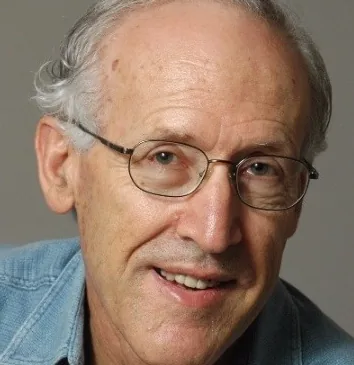
Professor Ehud Greenshpan
Scientific Advisor
Provides scientific guidance and review on nuclear physics, energy systems, and experimental research.
PhD in Nuclear Engineering. Professor Emeritus, UC Berkeley. Former Senior Scientific Advisor to Energetics Technologies.
Professor Fernando Patolsky
Scientific Advisor
Provides scientific guidance on research methodology, experimental design, materials analysis, and analysis of experimental results.
PhD in Chemistry. Professor, School of Chemistry, Tel Aviv University.
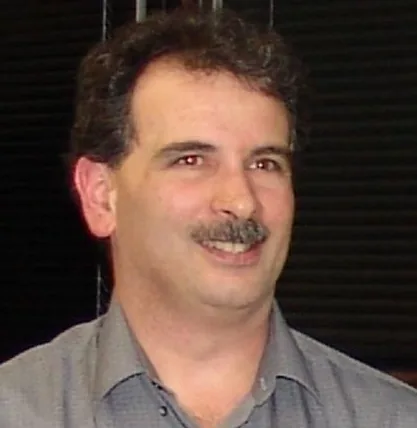
Francis Tanzella
Consultant
Provides independent scientific review and guidance on experimental replication and calorimetry.
PhD in Inorganic Chemistry. Formerly with SRI International.
//Contact
Interested in OGE's technology, potential applications, or collaboration opportunities? Get in touch with our team.

Phone

Address

